

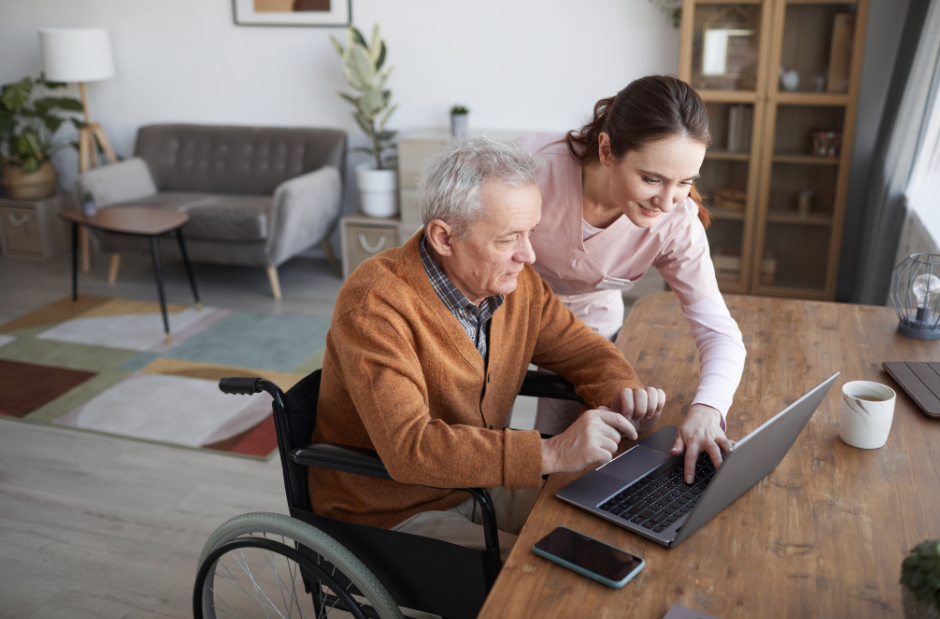
Adapting Environments for Enhanced Brain Injury Rehabilitation
As therapists and caregivers working with clients who have sustained brain injuries, you understand that adapting environments for enhanced brain injury rehabilitation extends beyond therapy sessions. A significant part of this journey involves adapting their living environments to support their rehabilitation. In this guide, we will explore practical ways to modify living spaces to cater to the varying needs of clients with brain injuries, from moderate to mild impairments.
The Importance of a Supportive Environment
A well-adapted environment plays a pivotal role in the rehabilitation process. It’s not just about safety; it’s about creating a space that promotes recovery, independence, and emotional well-being. Think about how a well-organized, safe, and calming space can make a difference in a client’s daily life.
Strategies for Adapting Living Spaces
- Reorganizing for Accessibility: Prioritize reorganizing living spaces to ensure easy accessibility. This might mean rearranging furniture to create clear walkways or placing frequently used items within easy reach.
- Safety Modifications: Consider installing grab bars in bathrooms, ensuring good lighting throughout the house, and removing potential trip hazards. Safety should always be a top priority.
- Sensory-Friendly Spaces: Create areas in the home that reduce sensory overload, which is often a concern for individuals with brain injuries. This could involve using soft lighting, minimizing clutter, and having a designated quiet space.
- Cognitive-Friendly Setup: For clients with mild cognitive impairments, consider labeling cabinets and drawers or using color coding to help them navigate their living space more independently.
- Technology Aids: Incorporate technology like smart home devices that can help in reminding clients of tasks, controlling lights and temperature, and even providing emergency alerts.
- Encouraging Independence: Adapt environments in a way that encourages clients to engage in their daily routines independently, but safely. This could mean setting up an exercise area or a hobby corner that is easily accessible.
Emotional Considerations
While focusing on practical modifications, don’t overlook the emotional aspects of these changes. A living space that feels safe, comfortable, and familiar can significantly impact a client’s emotional and mental well-being. Encourage clients and their families to personalize spaces with items that bring comfort and joy, such as photos, artwork, or favorite books.
Challenges and Solutions
Adapting a living environment for a brain injury client can be challenging. It requires understanding the unique needs of each client and being creative in finding solutions. Regularly assess the living space and make adjustments as the client’s needs evolve over time.
Your Role as a Guide
As therapists and caregivers, your role extends to providing guidance on how best to adapt these living environments. Share your expertise, suggest resources, and collaborate with families to create spaces that truly support rehabilitation.
Conclusion: A Collaborative Effort
Adapting environments for clients with brain injuries is a collaborative effort that requires empathy, creativity, and practical knowledge. As you guide clients and their families through this process, remember the profound impact these adaptations can have on recovery and overall quality of life.
So, what’s the next step? Explore our course to enhance your skills and join a community of professionals dedicated to improving rehabilitation outcomes. Designed for therapists and caregivers in the field of brain injury, this course offers insights, strategies, and real-life scenarios to enhance your approach and improve client outcomes.
Together, we can create environments that not only ensure safety but also foster independence, recovery, and well-being.