

As therapists and caregivers working with individuals who have experienced brain injuries, a critical aspect of rehabilitation is supporting clients in rebuilding and expanding their social networks. Social interactions play a significant role in emotional well-being and recovery. This blog explores practical strategies to help your clients make new friends and strengthen social bonds, tailored to suit both in-hospital and community-based therapy settings.
Understanding the Social Challenges
Post brain injury, clients often face challenges in socializing due to cognitive, physical, or emotional changes. This can lead to feelings of isolation and loneliness. As caregivers, recognizing these challenges and actively facilitating social engagement is essential in supporting their overall recovery journey.
Strategies in In-Hospital Therapy
1. Group Therapy Sessions:
Incorporating group therapy activities can be a great starting point for building social skills in a controlled, supportive environment. Activities like group discussions, shared hobbies, or therapeutic games can foster a sense of community among clients.
2. Social Skills Workshops:
Organizing workshops focusing on social skills, like conversation starters, understanding body language, and empathy building, can equip clients with the tools they need to interact more confidently. Ensure that you embed real-world practice and spend time planning and reflecting on the experience to help your clients’ consolidate their learning.
3. Encouraging Family Involvement:
Family members can play a supportive role in facilitating social interactions. Encourage family visits and participation in therapy sessions to help clients maintain and strengthen existing relationships.
Strategies in Community-Based Therapy
1. Community Groups and Clubs:
Assist clients in finding local community groups or clubs that align with their interests. Whether it’s a book club, gardening group, or a local sports team, engaging in shared interests can be an effective way to make new friends.
2. Volunteering Opportunities:
Volunteering can be a fulfilling way to meet people while giving back to the community. Help your clients find suitable volunteering opportunities that align with their abilities and interests. Ensure that you consider your client’s symptoms and skills when you coordinate a volunteer opportunity!
3. Technology and Social Media:
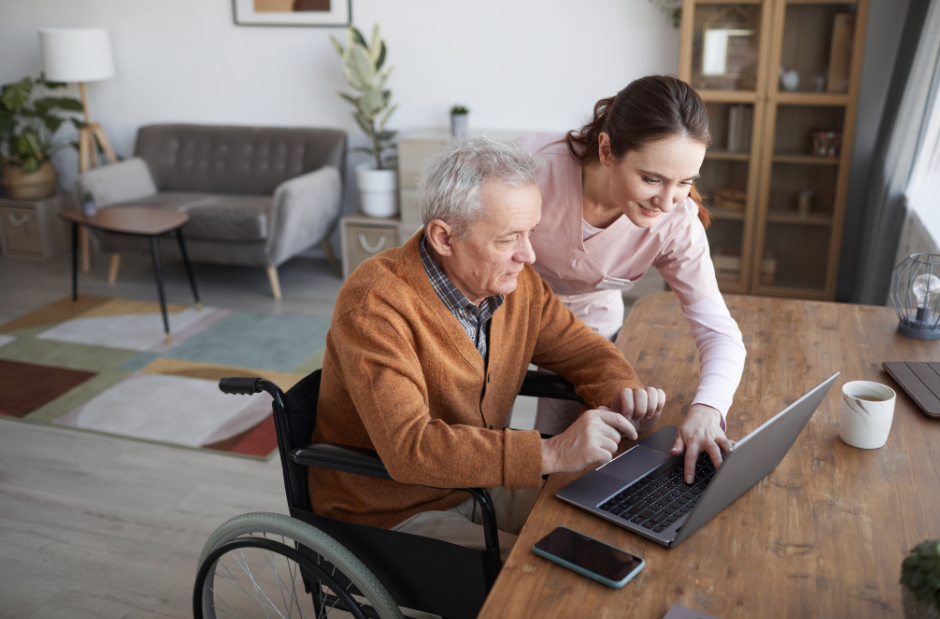
In today’s digital age, social media and online platforms can be valuable tools for connecting with others. Guide your clients in safely using these platforms to join support groups, find local events, or reconnect with old friends.
Overcoming Social Anxiety
It’s common for clients with brain injuries to experience social anxiety or apprehension. Gradual exposure to social settings, coupled with reassurance and positive reinforcement, can help in easing these anxieties. Role-playing and mock social scenarios during therapy sessions can also prepare clients for real-world interactions.
Reflective Practice for Therapists and Caregivers
- How can you incorporate social skill-building into your therapy sessions?
- How can you build supportive and non-judgemental social rehearsal into your therapy sessions?
- What local resources or groups can you connect your clients with?
- Are there ways to leverage technology to foster social connections for your clients?
Building a Supportive Community
Remember, the goal is not just to help clients make new friends but to build a supportive community around them. Encourage open communication and regular social activities that cater to the diverse needs of your clients. We should be considering social activities as a core component of therapy – not a side project if there’s time and energy after all the other rehabilitation.
Conclusion
So, what’s the next step in supporting your clients in building fulfilling social connections? By implementing these strategies and continuously exploring new ways to facilitate social engagement, you can significantly impact your clients’ quality of life and recovery.
Join our course to deepen your understanding and join a community of professionals committed to enriching the lives of individuals with brain injuries. Designed for therapists and caregivers in the field of brain injury, this course offers insights, strategies, and real-life scenarios to enhance your approach and improve client outcomes.
Together, let’s make a difference in fostering stronger, more supportive social networks for our clients…